Agentic workflows are automated processes in which an AI model does more than generate text: it makes decisions inside the process, such as classifying an input, choosing a path, calling a tool or checking its own output, while the overall structure stays defined by the people who built it. They sit between classic automation, where every step is fixed, and fully autonomous AI agents, where the model decides its own steps. This guide explains what agentic workflows mean, the five patterns that cover almost every real use, examples for business, the tools to build them, and how to decide between a workflow and an agent.
In short. An agentic workflow is a predefined process with AI decision points. Anthropic's engineering guide "Building effective agents" names five workflow patterns: prompt chaining, routing, parallelization, orchestrator-workers and evaluator-optimizer. Workflows are predictable and cheap; agents are flexible and harder to control. Anthropic's advice is to find the simplest solution possible and only add complexity when needed. For most businesses, that means agentic workflows first, with a human approval step before anything is sent, published or paid, and autonomous agents only where the steps truly cannot be known in advance.
The definitions and patterns below come from Anthropic's engineering article Building effective agents, published December 19, 2024 and read by PURIST on November 21, 2026. The business examples are PURIST's.
What are agentic workflows?
Agentic workflows are systems where large language models and tools are orchestrated through predefined code paths. That is Anthropic's definition, and it is the most useful one for business because it separates them clearly from agents, which Anthropic defines as systems where the model dynamically directs its own processes and tool use. In an agentic workflow, you decide the sequence: a trigger starts it, data flows through defined steps, and the model is called at specific points to do what rules cannot, such as understanding a messy email, deciding which category a request belongs to, drafting a reply in your tone, or judging whether a draft meets your standard. The result is automation that handles real-world language and variety while staying predictable, testable and auditable. Both workflows and agents are "agentic systems"; the difference is who decides the path, you or the model.
Agentic workflow meaning in one table
| Classic automation | Agentic workflow | AI agent | |
|---|---|---|---|
| Who decides the steps | The builder | The builder, with AI decisions at set points | The model |
| Handles unstructured input | No | Yes | Yes |
| Predictability | Highest | High | Lower |
| Cost per run | Lowest | Low to moderate | Higher (more model calls) |
| Easy to test and audit | Yes | Yes | Harder |
| Best for | Identical, rule-based tasks | Repeatable tasks that need judgement | Open-ended tasks with unknown steps |
Source: compiled by PURIST (purist.online), November 21, 2026.
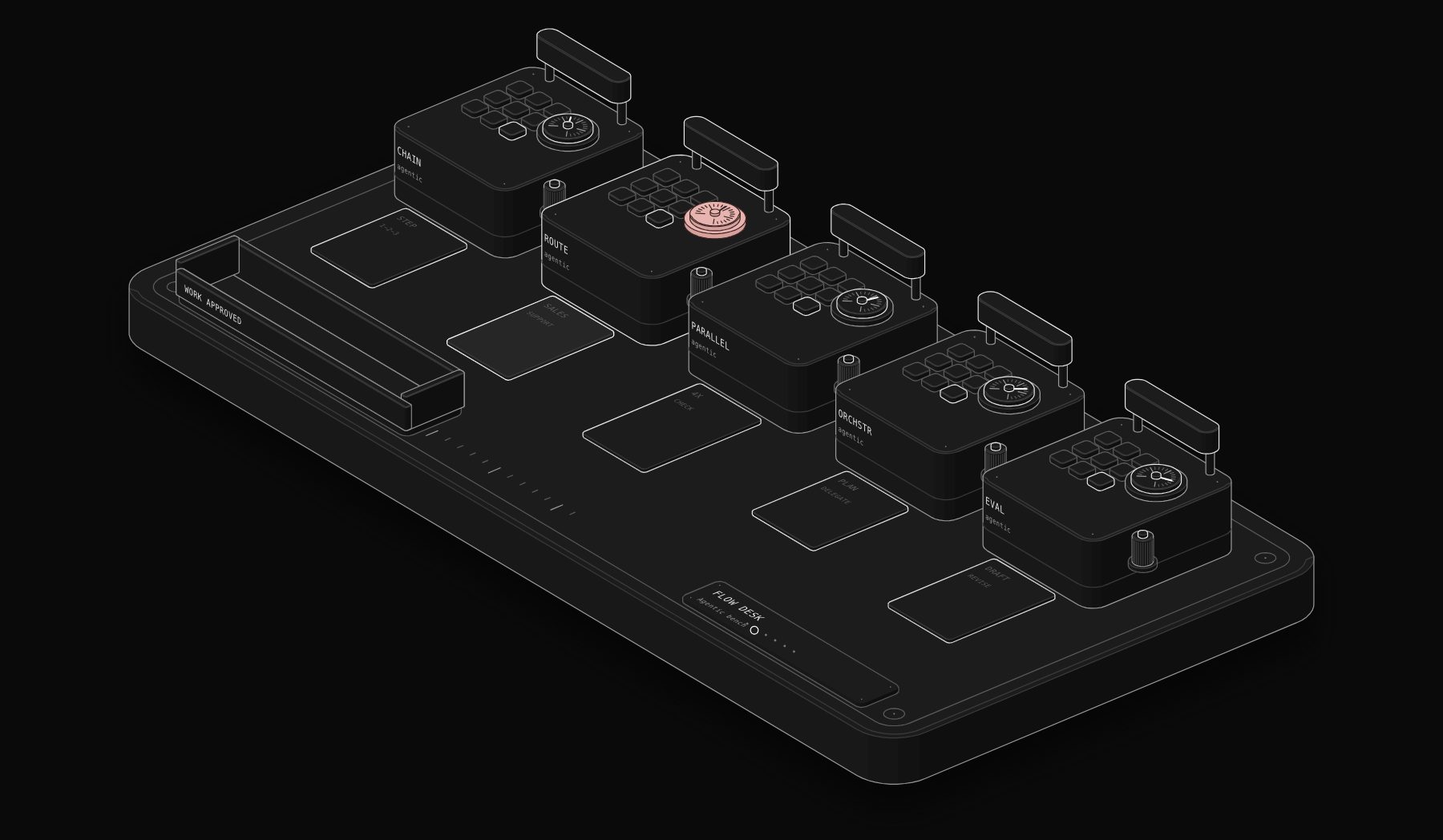
The 5 agentic workflow patterns
1. Prompt chaining
A task is split into a fixed sequence of steps, each handled by its own model call, with the output of one feeding the next. You can add checks between steps. Anthropic recommends it when a task can be cleanly decomposed into fixed subtasks, trading a little speed for higher accuracy because each call has an easier job. Its examples: writing marketing copy and then translating it; writing an outline, checking it against criteria, then writing the document.
Business example: a new blog brief becomes an outline, the outline is checked against your style rules, the draft is written, and a final step produces the social posts.
2. Routing
The model classifies an input and sends it to a specialised next step. Anthropic notes that this separates concerns: without routing, optimising for one kind of input can hurt performance on others.
Business example: every incoming email is classified as sales enquiry, support request, invoice or spam. Sales enquiries go to the lead workflow, support to the help-desk workflow, invoices to accounting, and spam is archived.
3. Parallelization
Several model calls work at the same time and their results are combined. Anthropic describes two forms: sectioning (independent subtasks run in parallel) and voting (the same task run several times to compare outputs).
Business example: a new supplier contract is checked in parallel for payment terms, liability, renewal and termination clauses, and the four findings are combined into one summary. Or a sensitive classification is run three times and only acted on when the answers agree.
4. Orchestrator-workers
A central model breaks a task into subtasks it could not predict in advance, delegates them to worker calls and combines the results. Anthropic gives coding as the typical case, where the number of files to change depends on the request.
Business example: "prepare a brief on this prospect" becomes, depending on what is found, a website summary, a check of recent news, a look at job postings and a review of their current tools, combined into one page for the salesperson.
5. Evaluator-optimizer
One model call produces a result and another evaluates it and gives feedback, in a loop. Anthropic says it fits when there are clear evaluation criteria and when iterative refinement adds measurable value.
Business example: a drafted reply to an unhappy customer is checked against a rubric (acknowledges the problem, offers a concrete next step, no promises we cannot keep, correct tone) and revised until it passes, then queued for a manager.
Agentic workflows vs AI agents: which do you need?
Choose an agentic workflow when you can write down the steps, even if some of them need judgement. That covers most business processes: answering leads, triaging email, processing documents, chasing invoices, producing reports. Workflows are cheaper per run, easier to test and easier to explain to a colleague or an auditor. Choose an agent when the steps genuinely depend on what the model discovers along the way, such as open-ended research or troubleshooting, and when you can afford more model calls and closer supervision. Anthropic's own guidance is to find the simplest solution possible and only increase complexity when needed, which, it adds, might mean not building agentic systems at all. PURIST's rule of thumb: if a new employee could follow a checklist to do the job, build a workflow; if they would need to investigate, consider an agent, and keep a person in the loop.
Agentic workflow examples for business
| Process | Pattern | Trigger | AI decision | Human step |
|---|---|---|---|---|
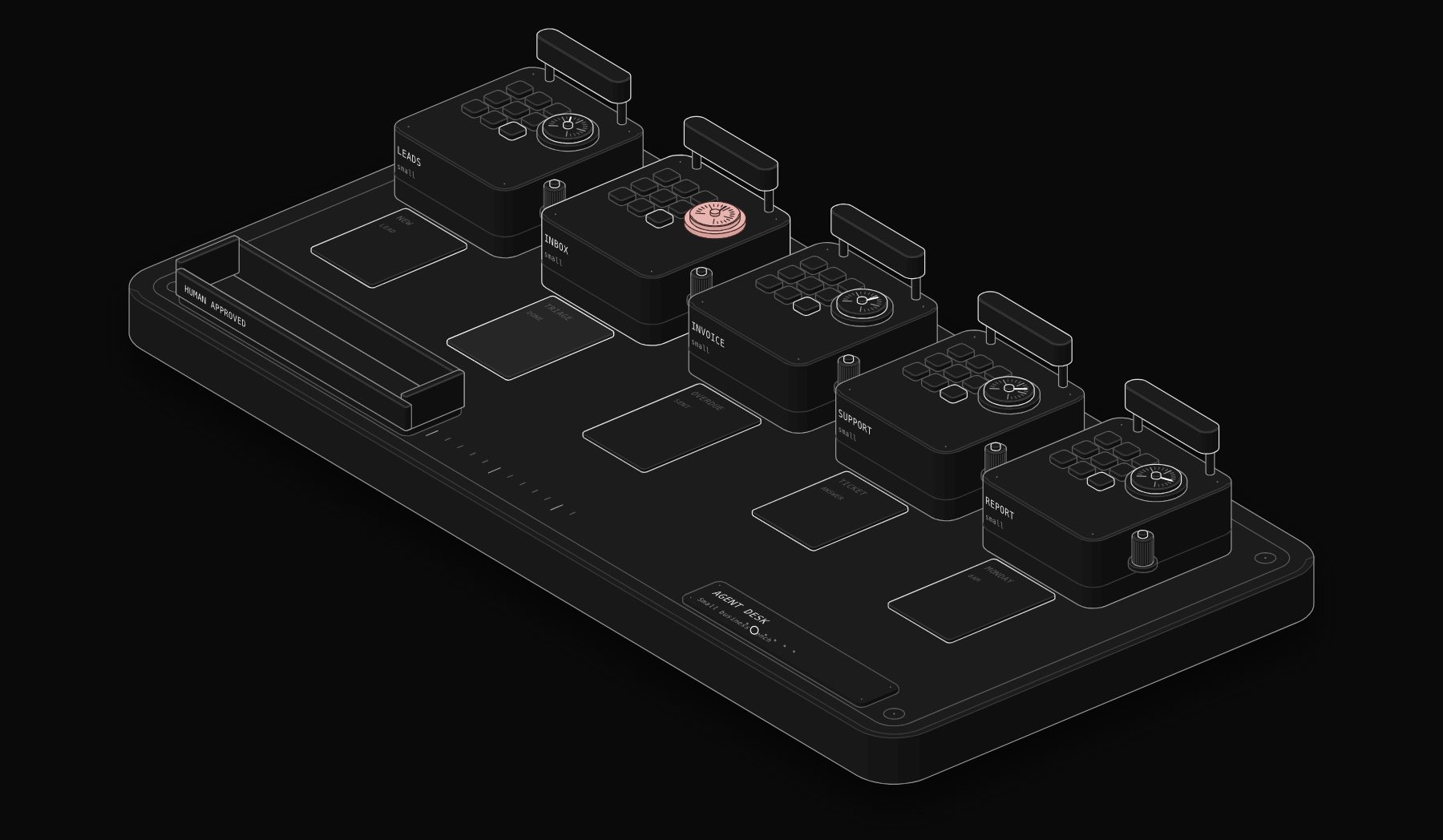
| Lead response | Routing + prompt chaining | New form or email | Qualify, choose reply type, draft | Approve the reply |
| Support triage | Routing | New ticket | Category, urgency, suggested answer | Agent reviews and sends |
| Invoice processing | Prompt chaining | Invoice received | Extract fields, match to purchase order | Approve mismatches |
| Contract review | Parallelization | Contract uploaded | Check each clause type | Lawyer or owner reviews summary |
| Prospect research | Orchestrator-workers | Deal created | Decide what to research, summarise | Salesperson reads the brief |
| Customer replies | Evaluator-optimizer | Complaint received | Draft, critique, revise | Manager approves |
| Weekly report | Prompt chaining | Monday 8 a.m. | Summarise numbers, flag anomalies | Owner reads |
Source: compiled by PURIST (purist.online), November 21, 2026.
For twelve more small-business jobs, see AI agents for small business.
Agentic AI workflow diagram: the parts of a production workflow
A production agentic workflow has the same five parts, whatever the pattern:
- 1 Trigger: the exact event that starts it (a webhook, a schedule, a new row, a new email).
- 2 Workflow logic: routing, transformations, validation, retries and error handling, built in a workflow tool.
- 3 AI step: the model call, with clear instructions and structured output (for example, a JSON object with a category and a confidence score), not free text.
- 4 Approval: a person approves anything that sends, publishes or pays; low-confidence results go to a person automatically.
- 5 Action and log: the result lands in your tools, and every run is logged so it can be checked and replayed.
This is the architecture described on our methodology page, and it is what separates a demo from a system that survives real data.
Agentic workflow tools and frameworks
| Tool | Type | Good for |
|---|---|---|
| n8n | Visual workflow platform, self-hosted or cloud, with AI and agent nodes | Business processes across many apps, with full control and logs |
| Make and Zapier | Hosted automation platforms with AI steps | Simpler workflows for teams already using them |
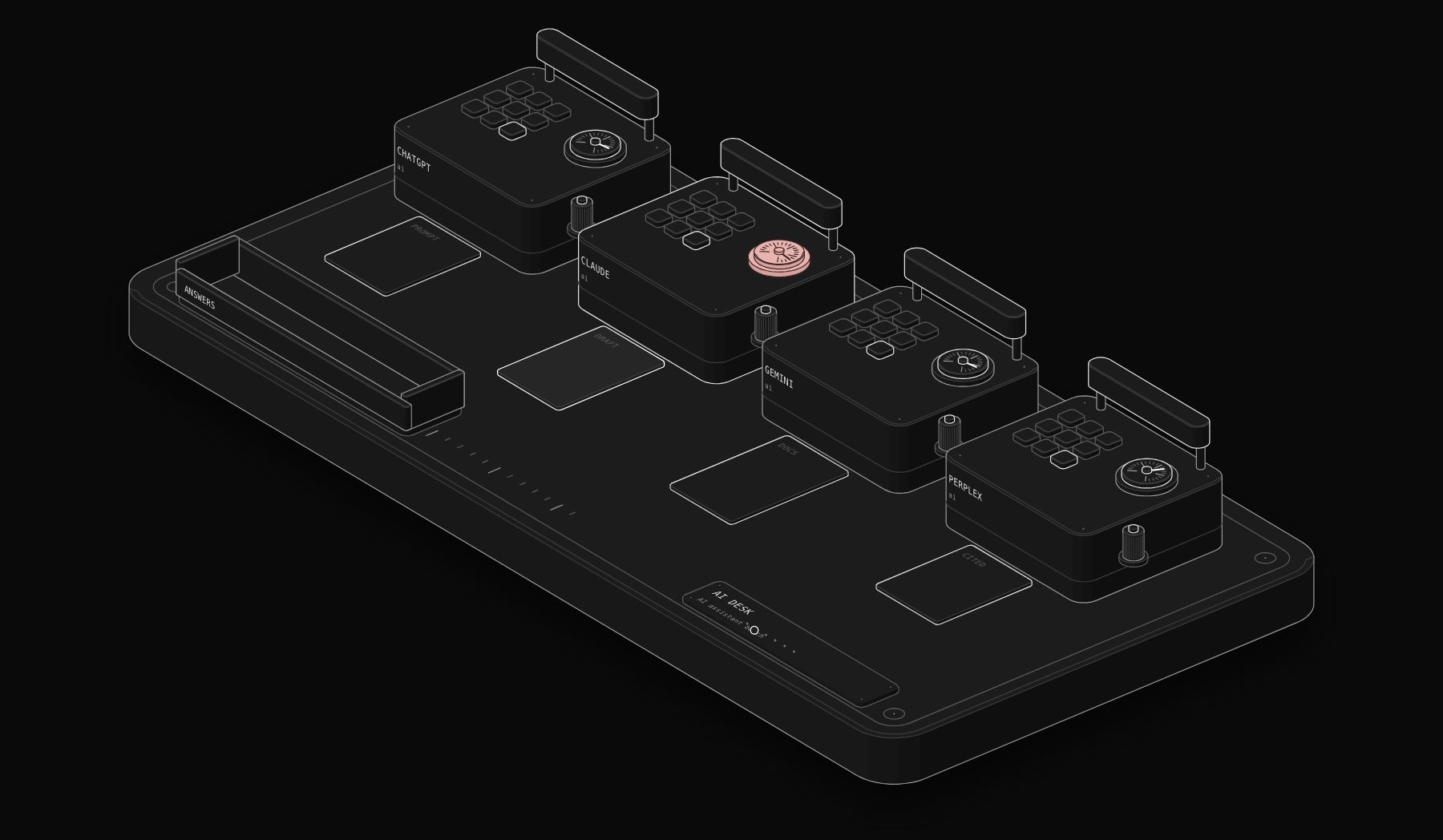
| Claude, ChatGPT and Gemini APIs | Model APIs | The AI decision steps inside any workflow |
| LangChain and similar frameworks | Developer libraries | Custom applications written in code |
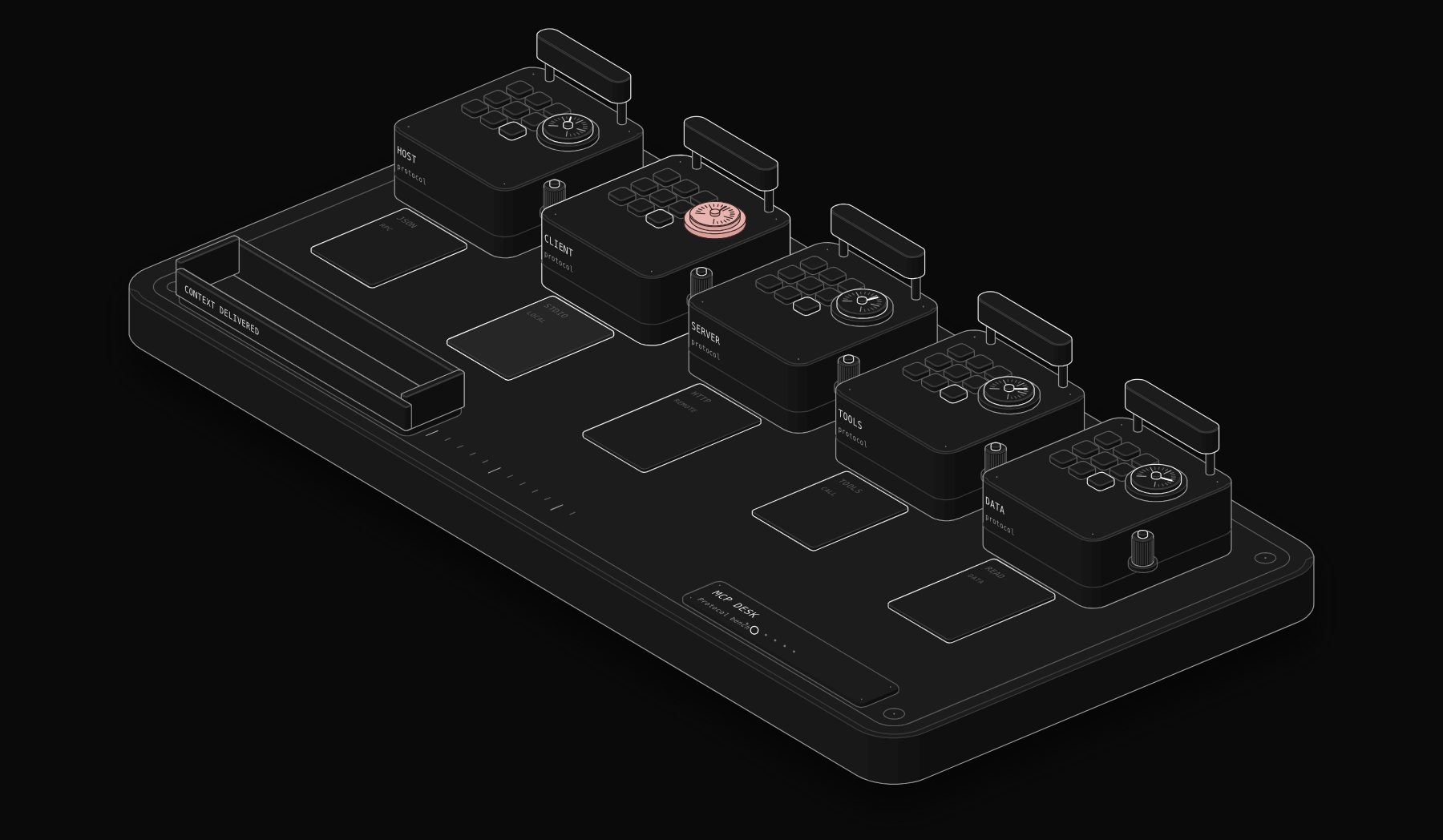
| MCP (Model Context Protocol) | Open standard for connecting AI to tools | Letting assistants and agents use your systems |
Source: compiled by PURIST (purist.online), November 21, 2026.
Anthropic's guide recommends that developers start by using model APIs directly, because many patterns take only a few lines of code, and warns that frameworks can add layers that make prompts and responses harder to debug. For business teams, a visual workflow tool such as n8n gives the same control with a readable diagram of every step. Our guide to building an AI agent with n8n and Claude shows a full build, and What is MCP? explains how agents reach your tools.
Common mistakes with agentic workflows
- 1 Starting with an autonomous agent. It is harder to test and more expensive. Start with a workflow and add autonomy only where it pays.
- 2 Free-text output. Ask the model for structured output you can validate, and route low-confidence results to a person.
- 3 No approval step. One wrong email to a customer costs more than many approvals.
- 4 No logs. If you cannot see what the model read and decided, you cannot fix it.
- 5 Vague tool descriptions. When a model chooses tools, their names and descriptions are its only guide. Anthropic's article devotes an appendix to designing tools well.
A worked example: an agentic lead workflow in n8n
Here is how the lead-response row of the table above looks as a real workflow, step by step:
- 1 Trigger: a webhook receives the website form (name, email, company, message).
- 2 Validation: a step checks required fields and filters obvious spam.
- 3 Routing (AI): a model call classifies the message as new project, partnership, job application or support, and returns a category with a confidence score as structured output.
- 4 Branch: new projects continue; other categories go to their own workflows; anything below the confidence threshold goes to a person.
- 5 Prompt chain (AI): a second call drafts a personal reply using the enquiry and your service descriptions; a third call checks the draft against your rules (no prices promised, correct tone, one clear next step).
- 6 Approval: the draft is sent to the owner with approve and edit options, and the workflow waits for the answer.
- 7 Action and log: on approval, the reply is sent from your own mailbox, the lead is created in the CRM, and the run is logged.
n8n supports this pattern with its webhook trigger, AI nodes connected to the model of your choice, and operations that send a message and wait for a person's response. The same structure works on Make or in code.
Agentic workflows vs RAG
RAG (retrieval-augmented generation) and agentic workflows solve different problems and are often combined. RAG gives a model the right knowledge at the moment it answers by retrieving relevant passages from your documents. An agentic workflow gives a process structure, decisions and actions. A support workflow is a good example of both: routing decides the ticket type, RAG finds the relevant help articles, a draft is written and evaluated, and a person approves it.
How to measure an agentic workflow
| Metric | What it tells you |
|---|---|
| Runs per week | Whether the workflow handles real volume |
| Share approved without edits | Whether the AI steps are good enough to relax approval |
| Share escalated to a person | Whether thresholds and routing are set right |
| Time from trigger to action | The speed gain, often the main business value |
| Cost per run | Model usage plus platform cost, compared with the time saved |
Source: compiled by PURIST (purist.online), November 21, 2026.
Review these weekly for the first month. A workflow where most drafts are approved without edits is ready for more autonomy on low-risk actions; one where many are edited needs better instructions or examples first.
Frequently asked questions
What are agentic workflows?
Agentic workflows are automated processes where AI models and tools follow predefined steps, with the model making decisions at set points, such as classifying an input, drafting a response or checking quality. The builder defines the structure; the model handles the judgement.
What is the difference between an agentic workflow and an AI agent?
In an agentic workflow, the steps are predefined and the model makes decisions within them. In an AI agent, the model dynamically decides its own steps and which tools to use. Workflows are more predictable and cheaper; agents are more flexible.
What are examples of agentic workflows?
Routing incoming emails to the right team, qualifying and replying to new leads, extracting data from invoices, reviewing contracts clause by clause in parallel, and drafting customer replies that are checked against a rubric before a manager approves them.
What are the main agentic workflow patterns?
Anthropic describes five: prompt chaining, routing, parallelization, orchestrator-workers and evaluator-optimizer. Most business processes use one or two of them.
What tools do I need to build agentic workflows?
A workflow platform (such as n8n, Make or Zapier), access to an AI model through its API (such as Claude, ChatGPT or Gemini), and connections to your business tools. Developers can also build them in code, directly on the model APIs or with frameworks.
Are agentic workflows safe for business?
Yes, when built with structured outputs, logs of every run, least-privilege access to your tools, and a human approval step before anything is sent, published or paid.
Sources
Read by PURIST on November 21, 2026: Anthropic, Building effective agents (published December 19, 2024). The business examples and the five-part architecture are PURIST's own.
Want an agentic workflow that takes one repetitive job off your team, with your approval before anything goes out? See AI agent development by PURIST.
Tags

Steve founded PURIST, a workflow automation studio working with n8n, Make and Claude AI, and is the point of contact on every project. Prices and features in our articles come from vendor documentation and public pricing pages. How we research and score tools.